Faucet Repair Guide: Step-by-Step Fixes for Leaks & Cracks

The faucet is used very frequently, so it is prone to dangers such as cracking, leaking, and breaking. If a faucet is broken, how can it be repaired? Let’s take a look together!

How to Repair a Broken Faucet

If a faucet is broken, it can only be replaced with a new one.

1. First, you need to remove the broken part of the faucet’s internal threading.

2. Next, use a saw to divide the internal threading of the faucet into several segments, making sure not to damage the threads, and clean them thoroughly.

3. Finally, install the new faucet. Use a screwdriver to pry out a section of the faucet pipe, then use a wrench to remove the broken piece before installing the new faucet. After that, conduct tests and adjustments to ensure it operates normally!

Materials for Faucets

1. Chrome-plated

Chrome plating is the most common method of processing faucets on the market. Chrome is a silver-white metal with a slight blue hue and has strong passivation properties. It does not easily change in humid environments and can keep its surface luster for a long time. The appearance similar to precious metals is highly decorative, making chrome-plated faucets quite popular among consumers now.

2. Baked Paint

In this process, a base coat and a top coat are applied to the faucet body. Each coat is placed in a dust-free, temperature-controlled baking chamber for high-temperature curing using electric heat or far-infrared radiation. The surface of baked paint faucets is smooth and shiny, presenting a visual texture similar to that of pianos, which makes the entire product appear very high-end.

3. ORB

The ORB process involves oxidizing and coloring the surface of copper or copper-plated surfaces to achieve an antique bronze or black color, followed by brushing or polishing, and finally spraying oil. Unlike antique bronze, ORB tends to be darker with shades of black and brown, with brushed areas showing red brushed patterns. Products treated with ORB have a delicate hand feel and exude a low-key, profound color, showcasing a strong retro flavor. The ORB surface treatment enriches and enhances the overall design of the faucet.

4. Brushed Finish

The brushed finish gives the faucet a metallic texture. Depending on the decorative needs of the faucet, patterns are created on its surface through external forces. This finish comes in various types, such as stainless steel brushed and nickel brushed. The brushed treatment provides a rugged visual effect while maintaining a delicate feel, presenting a subtle and understated beauty.

Step-by-Step Guide to Disconnecting Water Supply Pipes from Faucets

To achieve normal water usage, water pipes are generally laid out and faucets are installed. The water pipes can bring water from outside into the interior and distribute it in necessary functional areas such as bathrooms and kitchens. Once the pipes are arranged, faucets are installed at the connection points to control water flow and volume. If a water supply pipe is damaged, it needs to be addressed promptly, as it can cause inconvenience in water usage and daily life. So, how do you detach the water supply pipe from a faucet? Let’s take a look with the experts from Hawkrown.com.

1. How to Detach the Water Supply Pipe from a Faucet

To detach the water supply pipe from a faucet, you first need to turn off the main water supply valve. Then, locate the water supply pipe connected to the faucet you want to remove. If it is connected with screws, you can simply unscrew them to detach it. If the connection is rusted and difficult to remove, you can try to apply some oil at the connection point and then try to turn it. If that still doesn’t work, you may have to saw it off to detach it.

2. How to Choose a Faucet

1. Check the Material

There are numerous materials for faucets, primarily including stainless steel faucets, plastic faucets, brass faucets, alloy faucets, and ceramic faucets. Different materials have varying performances. For example, plastic faucets have a shorter lifespan and may contain some pollutants, making them unsuitable for use as drinking water and hot water control faucets.

2. Check the Functionality

Faucets now come with various functions, including push-type, rotating type, hot and cold type, and instantaneous heating type, among others. Each type has its starting method and usage effect. Instantaneous heating faucets are very popular in high-end homes because they can provide hot water in just 3-5 seconds.

3. Check the Design

Faucet designs are diverse. Different functional areas require different selections. Typically, a gooseneck design is chosen for kitchen sinks, which can also be paired with a pull-out spout.

In summary, this is an introduction to how to detach a water supply pipe from a faucet. I hope the information shared can provide some reference for you.

How to Fix a Leaking Faucet: Causes and Solutions

In daily life, faucets are one of the common plumbing fixtures. After prolonged use, faucets can inevitably develop leaks. So, what should you do if your faucet is leaking? What are the reasons for faucet leaks? Today, I will discuss everything you need to know about faucet leaks.

What to do if your faucet is leaking

1. Remove the handle and check the faucet components. Use a wrench to take off the nut, being careful not to leave any scratches.

2. Take off the screws that hold the gasket in place and inspect the screws and the cartridge. If there is any damage, replace them with new ones.

3. Replace the old gasket, rewrap the sealing tape, and reinstall everything step by step.

Reasons for faucet leaks

1. Water leak from the aerator

If water is leaking around the aerator, it’s usually because the gasket in the aerator has worn out or aged. Generally, faucets have gaskets, and their quality can vary among different brands. In this case, simply replace the gasket. Remove the old gasket, replace it with a new one, and make sure to choose a gasket of the same size.

2. Faucet not shutting off properly

If after replacing the gasket the faucet still leaks, the issue may be with the ceramic disc beneath the gasket. You may need to replace the corresponding ceramic cartridge. If the faucet uses a cartridge-type valve, its stem is made of steel and is sealed with glue to ensure that the faucet will not leak in harsh conditions and can last a long time.

3. Leaks from other areas

If you notice leaks from gaps in the faucet, it could be due to a damaged O-ring. The O-ring is located at the junction of the base and the faucet. If it is damaged, you need to replace the O-ring seal. Additionally, faucet leaks may also stem from damaged sealing tape. After removing the faucet, wrap the threaded area 5-6 times clockwise with sealing tape.

In conclusion, this covers everything about what to do if your faucet is leaking. The cartridge and threaded connection of the faucet are the most likely places to get damaged and leak. When purchasing and installing faucets, be sure to pay close attention to these details.

How to Fix a Leaking Toilet Flush Valve: Step-by-Step Guide

If a toilet leaks during use, it’s important to first identify the cause before determining the most suitable method for repair. Below, I will introduce how to fix a leaking toilet flush valve.

Repairing a Leaking Toilet Flush Valve: Tips and Tricks

1、Begin by checking if the flapper is loose. If it is, simply tighten it.

2、It may also be that the rubber ball valve is not sealing properly. In this case, replacing it with a new one will resolve the issue.

3、Additionally, check if the flush switch is stuck. If it is, just reposition it.

Causes of Toilet Leaks

1、Low Water Pressure

For residents on higher floors or those at the end of a residential complex, low water flow during use indicates low water pressure, which can affect both flushing and cause leaks. Consider installing a booster pump to alleviate the low water pressure issue.

2、Clogged Water Inlet Valve

If the toilet is leaking, it may be due to problems with the water inlet valve. Check to see if the valve is fully open and if it is obstructed by debris. If it is clogged internally, promptly remove the obstructions to resolve the leak.

3、Issues with the Water Inlet Pipe

If a six-inch pipe is used for the toilet’s water inlet, the small diameter may restrict water flow, leading to leaks. For optimal performance, the inlet pipe should ideally be four inches in diameter which ensures proper water supply, making flushing smoother and reducing the likelihood of leaks.

In conclusion:the above information regarding how to repair a leaking toilet flapper is provided. It is essential to first determine the cause of the leak and then address it accordingly. Using the right method will lead to effective results.

Why Your Smart Toilet Isn’t Spraying Water: Causes & Fixes

Young people nowadays are fond of smart products, which is why smart products, such as smart toilets, are highly favored by consumers. Below, I’ll explain some reasons why a smart toilet may not be spraying water.

Reasons for a Smart Toilet Not Spraying Water

It is possible that there is an issue with the smart toilet’s water outlet. In this case, you can check the water pipes; if there is a problem with the pipes, you may need to call a repair technician to fix it. Another possibility is that there may be an issue with the smart toilet’s pressure design, as the water tank of a smart toilet has a closed design and operates based on the pressure from the water supply.

Maintenance Tips for Smart Toilets

1、When maintaining a smart toilet, first unplug the power switch to ensure that the smart toilet is not powered before cleaning.

2、When cleaning the smart toilet, you can start by wiping the exterior with a soft cloth and be careful not to use corrosive cleaners, as they can damage the toilet’s exterior.

3、Stains on the smart toilet should be removed promptly, as they will become harder to clean over time. Additionally, you can remove the toilet seat for easier cleaning.

4、The spray nozzle of the smart toilet should also be cleaned regularly; you can use a brush to clean it, but be careful not to pull or stretch it forcefully, as this can damage the nozzle. It is recommended to clean the nozzle once a month.

5、Regularly check and clean the dust from the smart toilet’s plug using a dry cloth.

6、If you will not be using the smart toilet for an extended period, it is advisable to unplug it, and if there is a water tank, drain the water from it.

Advantages of Smart Toilets

1、The smart toilet seat has an automatic heating feature, so you don’t have to worry about feeling cold when using it in winter.

2、It has functions such as automatic cleaning, automatic flushing, and sterilization.

3、It contains antibacterial materials to help prevent cross-contamination when in use.

In summary:the reasons for a smart toilet not spraying water have been discussed here. I hope this information is helpful to you.

Why Is My Bathroom Floor Drain Draining Slowly?

Some homeowners are confused about why the floor drain in their home is not clogged, yet the drainage is still very slow.

Is Your Bathroom Drain Emptying Slowly? Discover the Reasons

1. Even if the floor drain in the bathroom is not clogged, slow drainage could be related to the design of the floor drain. For instance, some homeowners choose odor-proof floor drains, which have an additional water seal valve at the bottom. Typically, this valve remains closed, and only opens during drainage. In this case, it can also lead to slower drainage.

2. Another reason could be that the shower area in the bathroom does not have the proper slope. Since water flows downward, if there is no slope, the water cannot drain quickly, leading to slower flow. Therefore, it is important to ensure that the slope is appropriately designed to allow the water to flow smoothly to the drain. The floor drain should be the lowest point in the bathroom, typically 1 to 2 millimeters lower than the laid tiles.

3. Additionally, if the positioning of the drain is not ideal, for example, if the drain is far from the showerhead, this can cause a large accumulation of water on one side. Coupled with a longer drainage distance, it can lead to slower drainage speeds.

If the floor drain is not draining at all, here are some remedies

1. If the floor drain cannot drain, it is undoubtedly an issue of blockage in the drainage pipe. In this case, it is necessary to check for blockages in the drainage pipe.

2. Sometimes, there could be a bend in the drainage pipe where a large amount of debris accumulates, causing a blockage. Clearing this blockage can alleviate the issue. If there is a blockage, it will directly contribute to worsening slow drainage problems. In such cases, the only solution is to clear the drainage pipe to resolve the slow drainage issue.

3. For instance, you can pour caustic soda or a drainage cleaner into the drainage pipe of the floor drain. After waiting a while, the blockage will dissolve, and then you can flush it with a large amount of water.

In summary:if there is slow drainage from the floor drain without any blockage, it could be due to the reasons mentioned above. However, if there is no drainage at all, it is likely that a blockage has occurred.

Choosing the Right Floor Drain: Odor Prevention and Purchase Guide

Choosing the right floor drain can not only help with drainage and odor prevention but also serve as a decorative element. Here are some considerations for purchasing floor drains and tips on how to use odor-proof floor drains.

How to Use Odor-Proof Floor Drains

1. For common sealed floor drains, it is recommended to pour water into them once a week to prevent the water seal from drying out. If the drain will not be used for an extended period, it is advisable to seal it with a cover.

2. Self-sealing floor drains utilize mechanical components to achieve sealing. Regular checks on the spring and magnet performance are needed to eliminate faults or to replace them promptly.

3. Regular cleaning is necessary to remove dirt and prevent clogging.

4. It is advisable to routinely disinfect and deodorize.

Considerations for Purchasing Floor Drains

1. Functionality Distinction

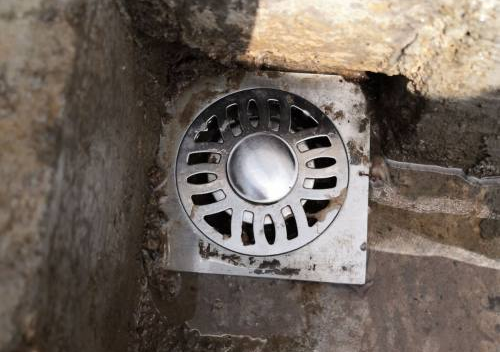
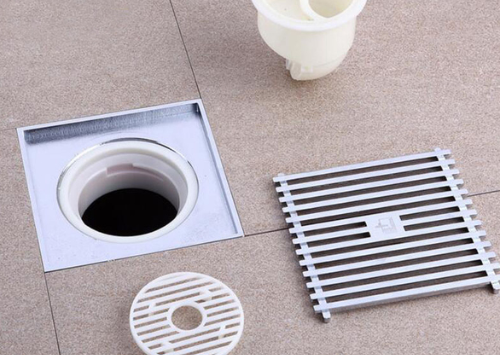
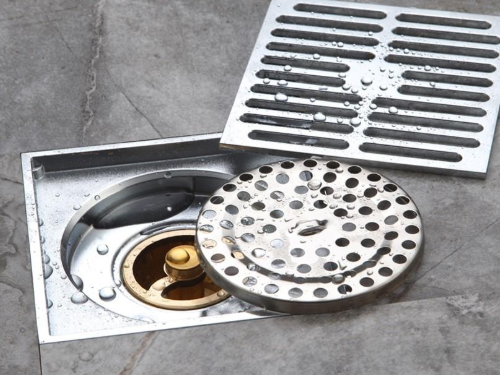
There are two main types of floor drains: general floor drains and washing machine-specific floor drains. The latter usually has an additional removable cover in the center, which facilitates the insertion of the washing machine’s drainage pipe without affecting the drainage of other accumulated water.

2. Material Differences

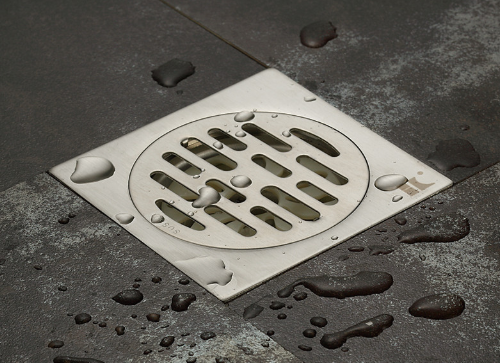
There are various types of floor drains made from different materials. Common materials include PVC, stainless steel, and brass alloys. Brass alloys and stainless steel are cost-effective, aesthetically pleasing, and durable. Brass floor drains have the best performance but are relatively more expensive.

3. Purpose of Use

The purpose of installing a floor drain is twofold: to prevent debris from entering the sewer and to allow water to drain quickly from the downpipe. If a large amount of water is being drained and the floor drain cannot keep up, it may lead to flooding. Therefore, it is essential to choose a floor drain with ample space for smooth water flow.

4. Odor Prevention Effect

Water-sealed floor drains can breed bacteria over time, resulting in unpleasant odors. It is recommended to opt for an odor-proof floor drain that combines physical sealing with water sealing. Additionally, for bathrooms and laundry areas, it’s advisable to choose drains with anti-blockage features.

5. Aesthetic Appeal

Pay attention to the surface finishing craftsmanship, as high-quality craftsmanship enhances corrosion resistance and visual appeal. For instance, products that undergo polishing and electroplating have a protective film on the surface, with diverse colors and textures available, such as brushed or antique finishes, allowing for customization based on style and budget.

In summary:the above content provides some insights into using odor-proof floor drains and considerations for purchasing them. For more related information, please continue to follow our website, as we will present more exciting content in the future.

Best Glue for Leaking Wash Basin & How to Choose One

As we all recognise, a wash basin is an essential fixture that must be established in our houses. So, what glue should be used for a leaking wash basin? let’s take a glance together.

the way to pick out the proper Glue for solving a Leaking Sink:

1. usually speaking, neutral silicone can be used for adhesion, however it relies upon on the type of fabric of the wash basin.

2. neutral silicone may be without delay carried out to ceramic wash basins, and it has a robust bonding strength, as well as being waterproof and mold-resistant, with brilliant sealing houses.

3. If it’s a marble wash basin, you have to use marble glue or structural adhesive for bonding.

how to select a Wash Basin:

1. cloth of the Wash Basin

there are numerous varieties of materials for wash basins available available on the market, and unique substances provide specific ornamental results and consumer reviews. choose in line with your preferences, however pay attention to protection in the course of selection.

2. length of the Wash Basin

recognise the size of your toilet and its format, thinking about the distance taken up by way of the washing device, bathroom, and shower area. You need to leave space for the sink and decide the basin length consequently.

3. style of the Wash Basin

The not unusual shapes of wash basins are semi-round or square. It’s encouraged to pick a square fashion due to the fact square basins typically have a larger extent, making it much less probable to splash water out while washing hands or face, and they’re more convenient to use.

4. nice of the Wash Basin

when deciding on a basin, run your give up its floor to test if it is clean and even, and to make sure there are no particles, scratches, or different defects. The hardware add-ons of the basin also are very critical; you need to choose fittings to make certain a extra solid set up and smoother operation.

5. Wash Basin cupboard

due to restricted area around the toilet, whilst choosing a wash basin, it is necessary to pick out a mixture cupboard, which isn’t most effective realistic however also saves loads of area.

In precis:nowadays I shared information approximately what glue to apply for a leaking wash basin and how to pick out a wash basin. if you would love to realize extra, please preserve to observe us, and we are able to bring you more exciting content material in the destiny.

Complete Guide to Wiring a 5-in-1 Warm Air Bath Heater

To make sure consolation for the duration of bathing, many families install a five-in-one warm air bath heater at the ceiling in their bathrooms. allow’s find out about the wiring approach for the 5-in-one heat air bathtub heater.

entire guide to Wiring Your five-in-One rest room Heater

1. join one stop of the soft cord to the transfer panel.

2. the other quit of the soft twine ought to be pulled out together with the energy deliver line from the ceiling hollow.

3. Open the terminal cover within the heat air tub heater.

4. in line with the wiring diagram inside the product manual and the markings around the terminal, connect the numerous wires well.

5. cowl the terminal and cozy it tightly with screws.

6. Tuck any excess wires into the ceiling to make sure the warm air tub heater’s housing can healthy efficiently into the hollow.

What to pay attention to while installing the 5-in-One warm Air bath Heater

1. commonly, the 5-in-one heat air bathtub heater ought to be established about twenty centimeters away from without delay above the showerhead. It have to no longer be mounted at once above the showerhead. The unique installation role have to be fairly arranged in keeping with the bathroom’s vicinity and shape.

2. If the consumer installs the five-in-one heat air bathtub heater directly above the showerhead, the new air emitted by way of the heater will usually blow immediately on the showerhead and bathe column. over the years, this may damage the showerhead or reduce its lifespan.

3. moreover, it isn’t always advocated to put in the five-in-one heat air bath heater within the bathe vicinity. If a circle of relatives separates wet and dry regions in the bathroom, installing the heater inside the bathe region will result in only the bathe place feeling the nice and cozy air and hot light, whilst the dry location could now not enjoy the heater.

In summary:the above is an in depth advent to the wiring approach for the five-in-one warm air bathtub heater and what to take note of throughout installation. i’m hoping it allows folks who need it. if you want to learn extra related expertise, please keep to observe our internet site, as i can provide extra thrilling content material within the destiny.

‌Refreshing Old Tile Floors: Non-Damaging Renovation Tips

Tile flooring are a commonplace flooring material in lots of domestic renovations. through the years, tile flooring may additionally want maintenance because of damage, fading, or old styles. here are approaches to renovate antique tile flooring with out causing damage.

Preserving and Refreshing Your Old Tile Floors: A Non-Demolition Approach

1. smooth and repair

earlier than any maintenance work, it’s miles important to clean the ground. Use suitable tile cleaners and cloths to clean the tile floor. If there are any damages, which includes cracks or lacking tiles, upkeep need to be made. Tile adhesive and grout can be used to repair cracks, and a colour-matched grout can fill in lacking tiles.

2. Refresh Tile color

If the antique tile colour is outdated, consider the usage of tile paint to renovate the ground. Tile paint can be implemented to the tile floor to change the authentic shade. whilst deciding on tile paint, ensure it’s far suitable for tiles and sturdy. earlier than applying tile paint, smooth the tile surface very well and lightly sand it with sandpaper to help the paint adhere better.

3. Use Tile Stickers

every other non-unfavorable manner to renovate old tile floors is by means of the usage of tile stickers. those are stickers that can be applied to the tile surface to change the fashion and shade of the tiles. Tile stickers are available in a selection of designs and styles that may be selected based totally on personal desire and usual decor fashion. Renovating the floor with tile stickers is both in your price range and simple.

4. Use Carpets or floor Tiles

if you do not want to trade the prevailing tile fashion and color, you may opt for carpets or ground tiles to renovate the floor. Carpets can cover the entire room or specific areas, converting the floor’s appearance. ground tiles may be attached over the existing tiles to regulate the ground’s fashion. using carpets or ground tiles gives more picks and creativity, making the ground look contemporary.

5. incorporate decorative elements

another non-damaging maintenance method for vintage tile flooring is to use decorative elements. you can add borders or inlay designs fabricated from tiles to enhance the aesthetics of the floor. those ornamental elements can be implemented or installed at the tile surface without causing any damage to the original tiles.

In precis:renovating old tile flooring without harm is viable via cleansing, repairing, changing hues, using stickers, protecting with carpets or ground tiles, and adding decorative factors. those techniques require persistence and interest to element and might rework the old tile floor into a pleasant and personalized space. choose a method that suits you to revitalize your antique tile ground.